What Are Office Cleaning Services?
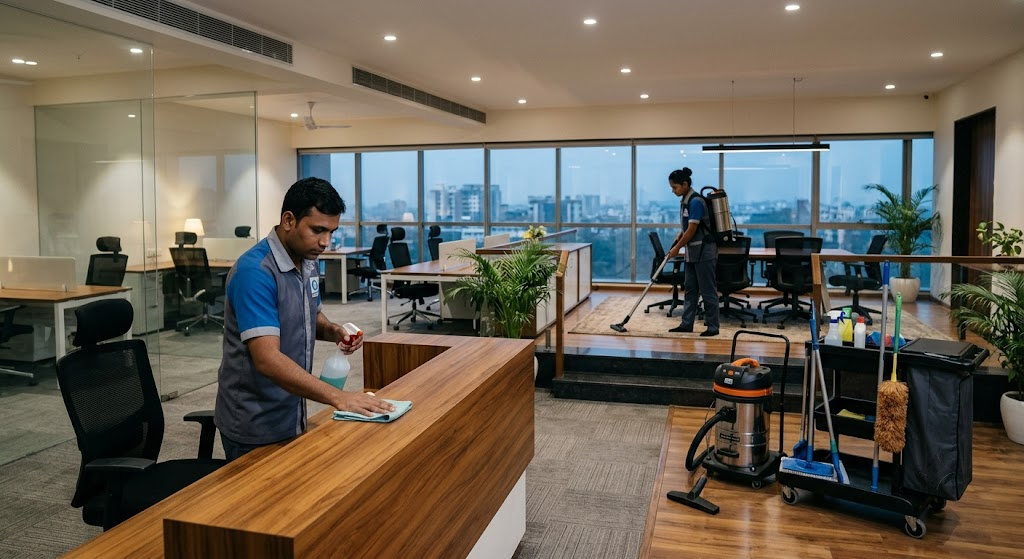
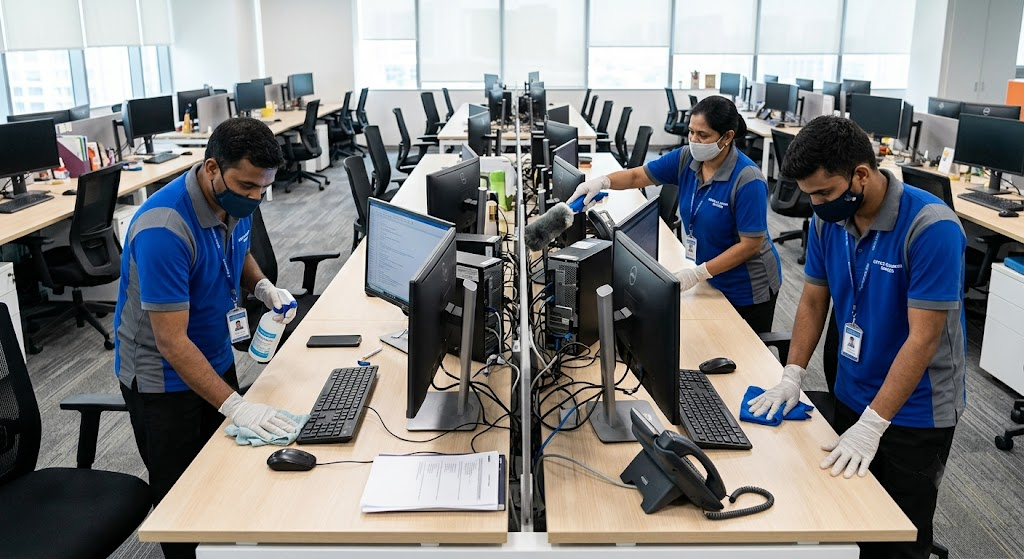
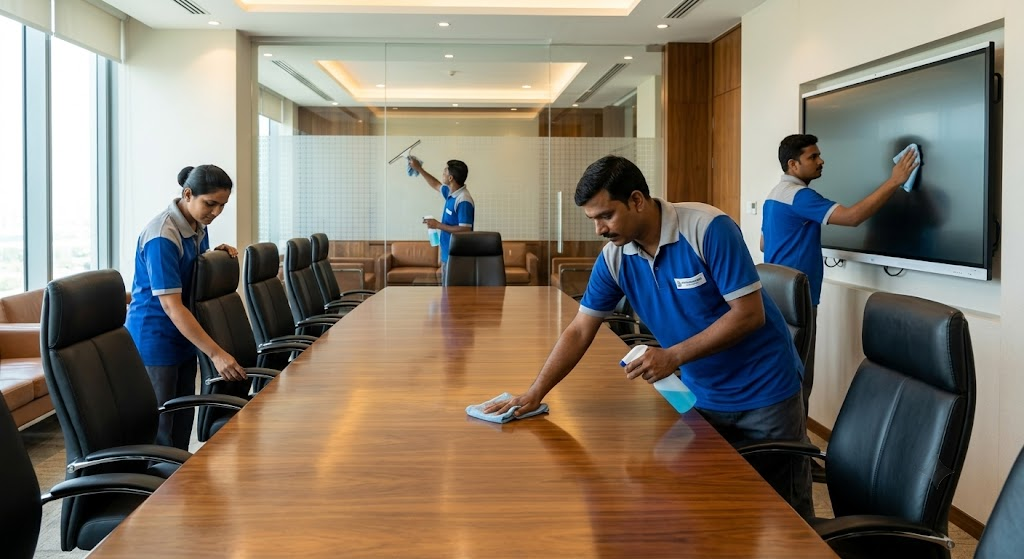
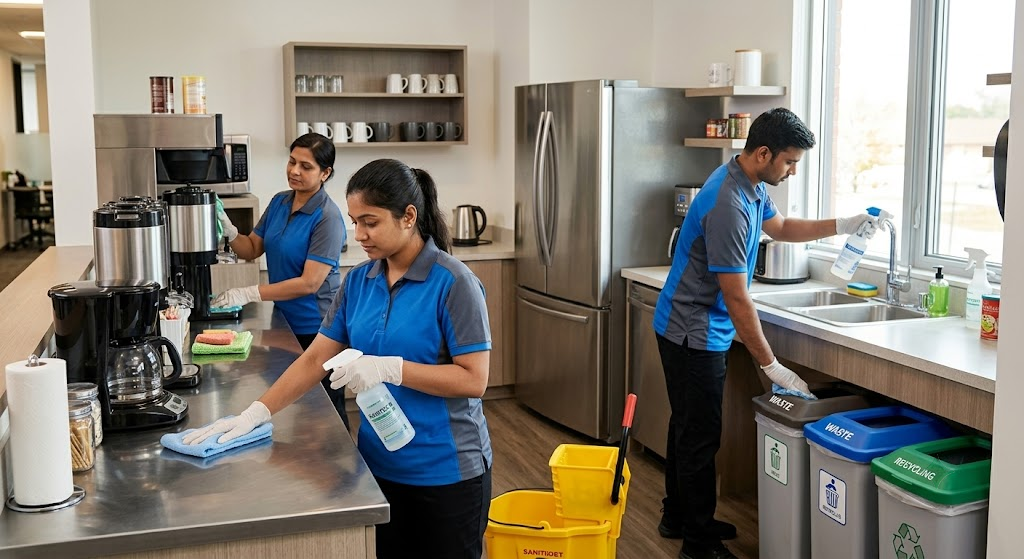
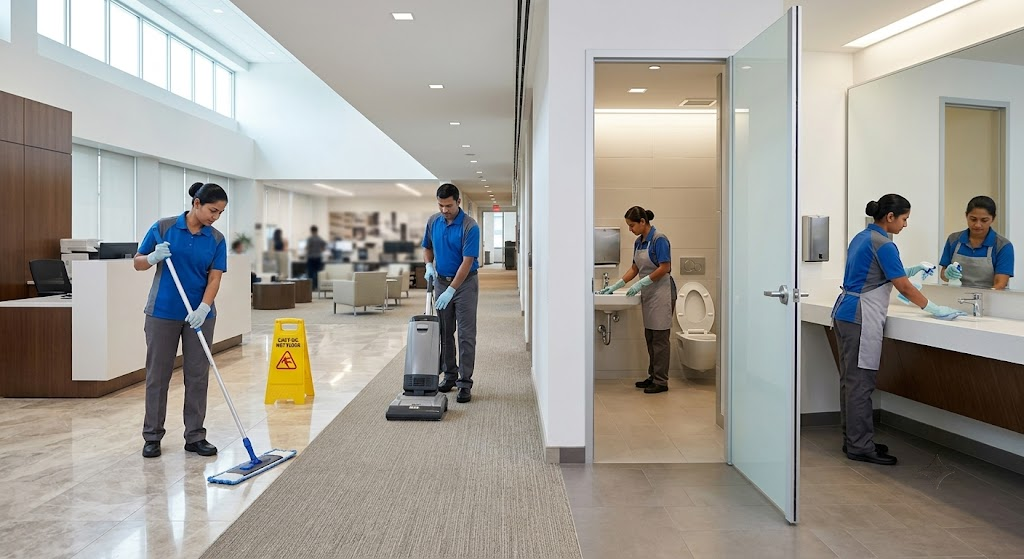
Office Cleaning Services involve the planned cleaning and maintenance of professional workspaces, including desks, meeting rooms, reception areas, floors, pantries, washrooms, and common areas. Typical tasks include dusting, mopping, vacuuming, waste collection, touchpoint cleaning, and periodic deep cleaning.
The scope depends on the building layout, occupancy, hygiene requirements, and service agreement. Businesses may hire a professional office cleaning service provider to organize cleaning tasks, maintain consistent routines, and support a comfortable environment for employees and visitors.
Why Office Cleaning Services Matter
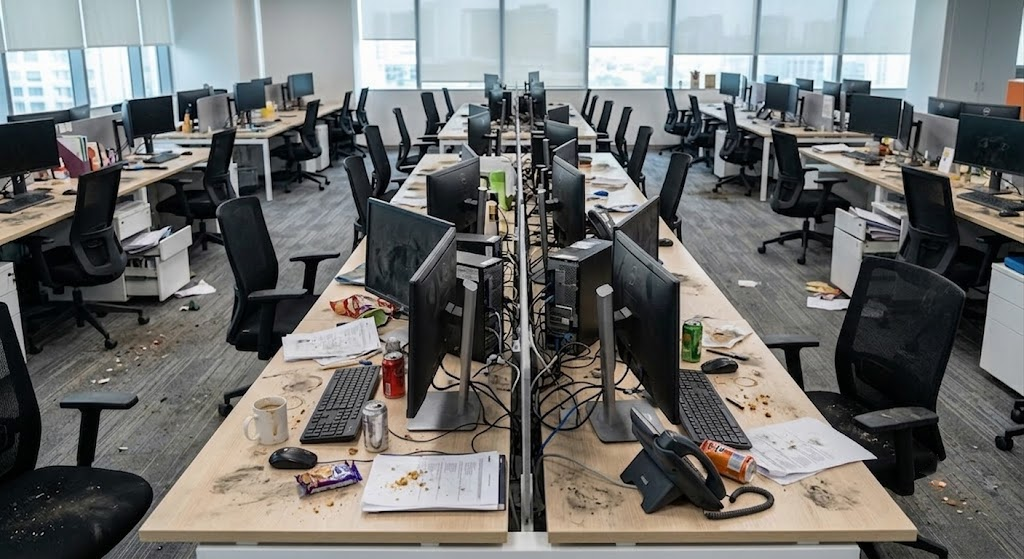
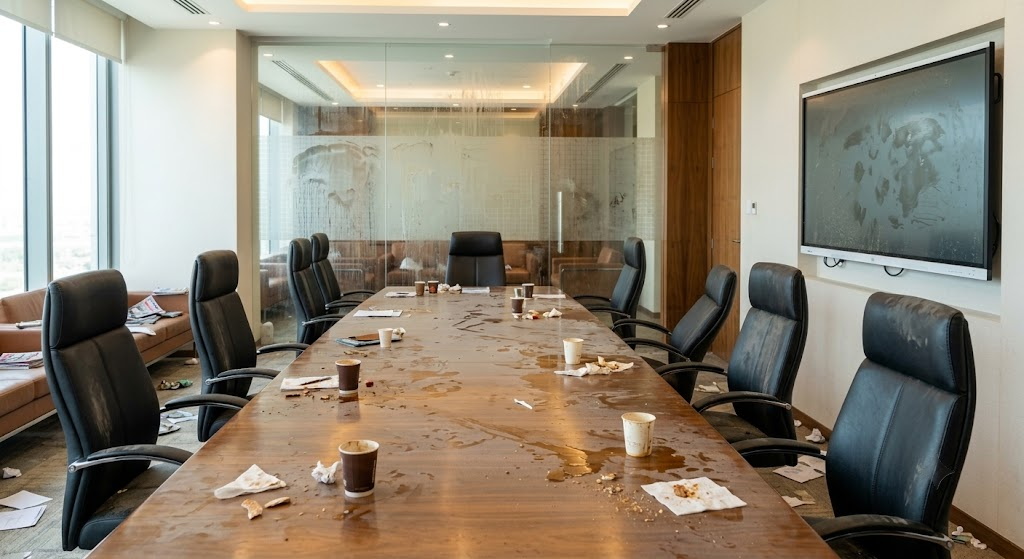
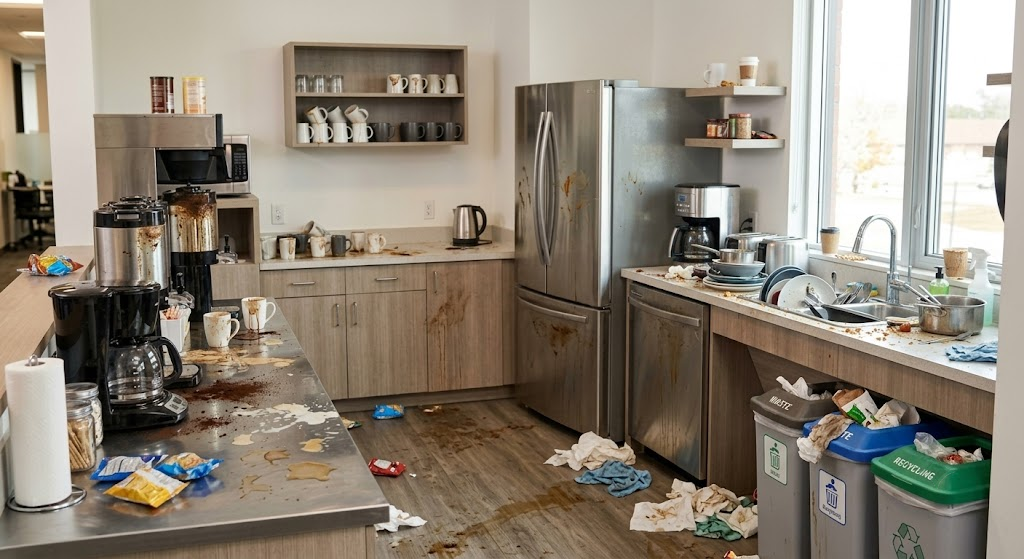
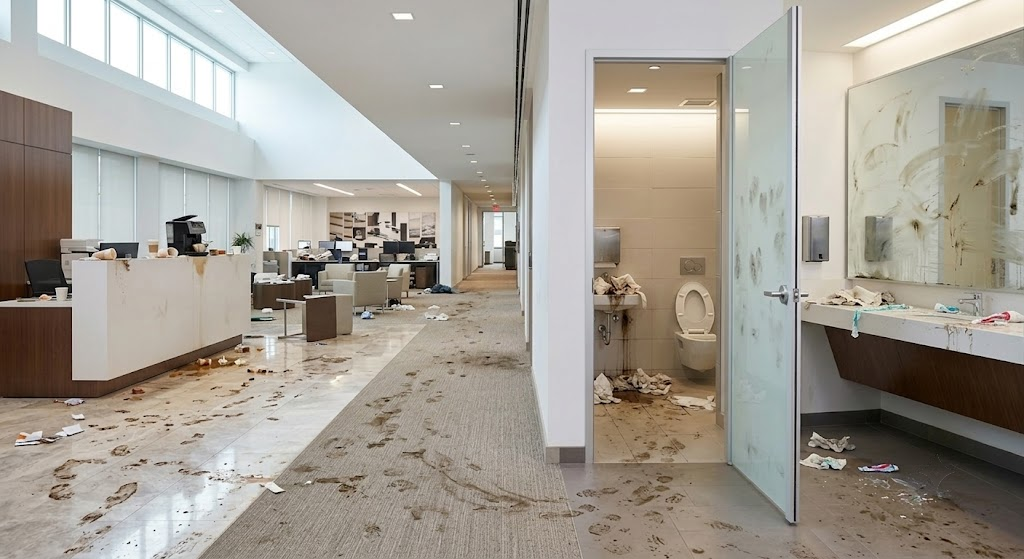
Busy offices experience continuous movement of employees, customers, vendors, and visitors. Dust, spills, fingerprints, and waste can accumulate quickly in reception areas, corridors, shared workstations, and washrooms.
Without a defined cleaning schedule, these conditions can affect workplace presentation, contribute to unpleasant odours, and increase maintenance requirements. Professional cleaning helps address these challenges through planned tasks, suitable products, and appropriate equipment.
Office Cleaning Services Overview
Parameter | Details |
Service Name | Office Cleaning Services |
Service Type | Commercial and corporate workplace cleaning |
Equipment | Mops, microfiber cloths, vacuum cleaners, floor machines, and waste collection equipment, as required |
Key Features | Scheduled cleaning, floor care, surface cleaning, washroom maintenance, and waste collection |
Industries Served | Corporate offices, IT offices, business parks, and administrative facilities |
Applications | Workstations, meeting rooms, reception areas, corridors, pantries, and washrooms |
Service Options | Routine, scheduled, periodic, and deep cleaning, subject to availability |
Service Provider | Hyginelab |
Confirm the exact scope, equipment, staffing, service availability, and cleaning frequency with Hyginelab before entering into a service agreement.
Key Features of Office Cleaning Services
Scheduled cleaning: Establishes daily, weekly, or periodic cleaning routines according to workplace requirements.
Workstation cleaning: Removes everyday dust and dirt from desks, tables, counters, and accessible surfaces.
Floor maintenance: Uses suitable sweeping, mopping, vacuuming, or machine-assisted cleaning methods.
Washroom hygiene: Covers appropriate cleaning of toilets, washbasins, taps, mirrors, and floors.
Waste collection: Supports orderly workspaces through regular removal of office waste.
High-touch surface care: Gives attention to frequently touched surfaces such as door handles and switches.
Flexible scheduling: Coordinates cleaning around working hours, meetings, and site access arrangements.
Suitable cleaning equipment: Uses products and tools selected for the surface, task, and facility conditions.
Service monitoring: Uses checklists and inspections to track completed tasks and identify missed areas.
Benefits of Professional Office Cleaning Services
Improved workplace hygiene: Helps remove routine dust, dirt, spills, and surface contamination.
Professional appearance: Keeps workstations, floors, reception areas, and meeting rooms presentable.
Employee comfort: Supports a cleaner and more pleasant working environment.
Consistent maintenance: Establishes clear cleaning responsibilities and schedules.
Better facility management: Helps managers coordinate cleaning tasks and monitor service delivery.
Surface protection: Appropriate cleaning products and techniques can help reduce damage caused by unsuitable methods.
Positive visitor experience: Well-maintained shared spaces contribute to a professional first impression.
Organized resource planning: A defined service scope helps businesses plan cleaning frequency and costs.
Reduced disruption: Planned cleaning can be coordinated around workplace activities.
Clear accountability: Documented tasks and inspections make service expectations easier to review.
Applications of Office Cleaning Services
Office cleaning requirements vary according to facility type, occupancy, and operating conditions.
Corporate offices: Cleaning desks, conference rooms, reception areas, and shared facilities.
Commercial buildings: Maintaining office floors, corridors, lobbies, and common areas.
Industrial offices: Cleaning administrative spaces within factories, warehouses, and manufacturing facilities.
Business parks: Coordinating cleaning across offices, shared washrooms, and common facilities.
IT and professional workplaces: Maintaining workstations, meeting rooms, and visitor areas using suitable cleaning methods.
Transportation and logistics offices: Planning cleaning around shift work, dispatch schedules, and high foot traffic.
Specialized facilities: Following additional procedures where sensitive equipment, restricted access, or specific hygiene standards apply.
How to Choose the Right Office Cleaning Service Provider
Before appointing a commercial cleaning service provider, assess the facility's requirements and compare the proposed service scope.
Premises and occupancy: Consider floor area, employee numbers, visitor traffic, and shared facilities.
Cleaning frequency: Define daily, weekly, periodic, and deep-cleaning requirements.
Surface compatibility: Ensure products and methods suit flooring, furniture, glass, and other surfaces.
Staffing and scheduling: Confirm staff availability, access arrangements, and preferred cleaning hours.
Safety procedures: Review chemical handling, wet-floor signage, equipment use, and relevant site requirements.
Quality monitoring: Ask about checklists, inspections, reporting, and corrective action.
Commercial terms: Compare pricing, inclusions, exclusions, and contract conditions.
Businesses searching for a professional cleaning service provider, corporate cleaning service provider, or commercial cleaning service provider should verify actual service capabilities before making a decision.
Procurement terms such as office cleaning service supplier or distributor may relate to cleaning products and equipment rather than on-site cleaning. Similarly, exporter terminology generally applies to goods supplied internationally. Buyers should choose search terms and providers that match their actual requirements.
Office Cleaning Services vs. In-House Cleaning
Evaluation Factor | Professional Cleaning Service | In-House Cleaning |
Task management | Defined through the service agreement | Managed internally |
Staffing | Arranged according to agreed terms | Recruited or assigned by the business |
Equipment and supplies | Responsibilities depend on the contract | Purchased and managed internally |
Scheduling | Coordinated with the provider | Managed by internal staff |
Cost structure | Contract or service-based charges | Wages, supplies, equipment, and overheads |
Performance monitoring | Based on agreed service expectations | Based on internal procedures |
Neither approach is universally better. The right option depends on budget, facility size, staffing, operational requirements, and the level of control the business needs.
Technical Considerations When Selecting Cleaning Services
A practical cleaning plan should account for:
Floor and surface materials: Select methods suitable for tiles, stone, vinyl, carpet, glass, and furniture.
Environmental conditions: Consider dust, ventilation, humidity, and waste generation.
Occupancy and foot traffic: Prioritize frequently used areas and shared facilities.
Chemical safety: Follow product labels, handling instructions, and storage requirements. Never mix incompatible cleaning chemicals.
Site access: Establish security procedures and suitable cleaning hours.
Maintenance requirements: Define responsibility for consumables, equipment, and reporting damaged fixtures.
Service continuity: Review staff training, supervision, documented procedures, and inspection arrangements.
Expert Insight: Planning an Effective Cleaning Programme
Facility managers should begin with a site assessment rather than choosing a service based on price alone. Identify high-traffic zones, washroom usage, floor finishes, sensitive equipment, and preferred cleaning hours.
Compare quotations using the same scope of work. One proposal may include periodic floor maintenance or washroom consumables, while another may cover routine cleaning only. Reviewing inclusions, exclusions, staffing, equipment, and reporting requirements helps businesses make a fair comparison.
Documented schedules, checklists, inspection procedures, and clear communication channels can help maintain consistent service expectations. Businesses should also confirm relevant experience, applicable compliance documentation, and the provider's ability to follow site safety procedures.
Quick Facts About Office Cleaning Services
Purpose: Maintain clean and presentable workplaces.
Common areas: Workstations, floors, reception areas, meeting rooms, and washrooms.
Typical tasks: Dusting, mopping, surface cleaning, and waste collection.
Frequency: Depends on occupancy and workplace requirements.
Equipment: Selected according to cleaning tasks and surface materials.
Safety: Requires suitable chemical handling and wet-floor precautions.
Quality control: Supported by task checklists and inspections.
Service model: Can be outsourced or managed in-house.
Why Choose Hyginelab?
Hyginelab lists office cleaning among its commercial cleaning services. Businesses considering the service should discuss their facility layout, cleaning priorities, preferred schedule, and operational requirements with the company.
Before confirming an arrangement, verify the available service scope, coverage, staffing, cleaning methods, and commercial terms. A clearly defined agreement helps establish responsibilities and provides a practical basis for reviewing service performance.
Conclusion
Office Cleaning Services help businesses maintain cleaner, more organized, and presentable workplaces. From workstation cleaning and floor maintenance to washroom hygiene and waste collection, a structured cleaning programme supports routine facility upkeep.
The right service depends on premises size, occupancy, cleaning frequency, surface materials, safety requirements, and budget. By defining the scope of work and setting clear service expectations, businesses can make informed decisions. Organisations considering Hyginelab can contact the company to confirm its available office cleaning services and discuss their facility requirements.